Expert Tips for Owens Corning Shingle Installation in North Texas
When it comes to roofing in North Texas, the heat, hail, and high winds demand materials that can take a beating. Owens Corning shingles have earned a solid reputation here, and for good reason. I have worked with many brands over the years, and the consistency of Owens Corning products makes a real difference on the roof deck. Whether you are a contractor or a homeowner tackling a project, getting the owens corning shingle installation right from the start saves time, money, and headaches down the road.
Choosing the Right Shingle for Your Climate
Owens Corning offers several lines, and each suits different conditions. Duration Cool is a popular choice in Texas because it reflects more solar heat than standard shingles. That matters when your attic temperature can climb past 140 degrees on a July afternoon. I have seen homes with Duration Cool run noticeably cooler upstairs, and the shingles themselves hold up better under constant sun exposure.
WeatherPro is another solid option. It is a bit lighter, but still carries a strong wind warranty. For budget-conscious projects, SilverTrail offers reliable performance without the premium price tag. I have used it on rentals and outbuildings with good results. The key is matching the shingle to the slope, the exposure, and the budget. No single product fits every roof.
Preparation: The Foundation of a Good Roof
Before any owens corning shingle installation begins, the roof deck needs to be clean, dry, and structurally sound. I always check for loose nails, rot, or any uneven spots in the dimensional lumber. Even a small bump can telegraph through the shingles and cause premature wear. If the deck is plywood, make sure the fasteners are flush. If it is plank sheathing, look for gaps wider than a quarter inch and fill them with a strip of metal or a piece of plywood.
Underlayment is your next layer. Owens Corning recommends a full coverage underlayment, especially in areas prone to ice dams or wind-driven rain. In North Texas, we do not deal with ice dams often, but we do get sudden, heavy downpours. A good ice and water shield product, applied in the valleys and along the eaves, gives you an extra layer of security. I have been on roofs where the underlayment was the only thing keeping water out after a hailstorm blew off a few shingles. That peace of mind is worth the extra cost.
Starting Right: Starter Shingles and Drip Edge
The most common mistake I see in owens corning shingle installation is skipping or rushing the starter course. Starter shingles are not optional. They seal the edge of the roof and provide the proper overlap for the first full course. Without them, water can wick up under the shingles and rot the deck. Always use the starter shingles that match your chosen line. They come pre-cut and pre-slotted, so there is no reason to improvise.
The drip edge metal goes on before the starter shingles. It should extend past the fascia board by about three-quarters of an inch, just enough to let water fall free. If it is too short, water runs back and stains the fascia. If it is too long, it can catch the wind and rattle. A good drip edge is one of those details that looks small but makes a big difference over time.
Fastening: Nail Gun vs. Hand Nailing
I have used both methods extensively. A nail gun speeds up the work and gives consistent depth. But you have to be careful with the pressure setting. Too much and you sink the head through the shingle, which creates a leak path. Too little and the nail stands proud, which can catch debris or get pulled out by the wind. I set my gun so the head is flush with the surface, no deeper.
For hand nailing, use the right nail. Owens Corning shingles work best with hot-dipped galvanized nails, typically 1.25 to 1.5 inches long. The SureNail strip system is another option. It uses a pre-attached strip of nails that aligns with the nailing zone. It is fast and reduces the chance of over-driving. I have used SureNail on a few jobs and found it especially helpful on steep slopes where you need both hands for balance.
Ventilation: Ridge Vents and Proper Airflow
Ventilation is often overlooked, but it is critical for shingle life. A ridge vent at the peak allows hot air to escape from the attic. Without it, heat builds up and bakes the shingles from underneath, accelerating granule loss. In North Texas, where summer heat is relentless, a properly installed ridge vent can extend shingle life by years.
I pair ridge vents with intake vents at the soffits or eaves. The goal is a continuous air channel from bottom to top. If the attic is sealed tight, moisture builds up and can cause the shingles to curl or buckle. I have seen roofs fail in less than five years because of poor ventilation. It is a cheap fix compared to a tear-off.
Valleys and Flashings
Valleys are the most vulnerable part of any roof. For owens corning shingle installation, I prefer the open valley method with a metal flashing. The metal should extend at least eight inches on each side of the valley centerline. I use a continuous roll of pre-painted steel, not cut pieces. Seams in the valley are a common leak point. If the valley is wide enough, I add a double layer of ice and water shield under the metal for extra insurance.
For sidewalls and chimneys, step flashing is the way to go. Each piece overlaps the one below, and the shingles are cut to fit tight against the flashing. Caulk is not a substitute for good flashing work. Caulk dries out and cracks. Properly installed step flashing will outlast the shingles themselves.

Hip and Ridge Shingles
Hip and ridge shingles need to be cut and installed with care. Owens Corning makes pre-cut hip and ridge shingles for their main lines, which saves time. But if you are using a different line, you can cut standard shingles into individual pieces. Each piece should overlap the one below by at least five inches. The nails go through the overlap, so they are covered by the next piece. I snap a chalk line down the hip to keep the exposure consistent. A crooked hip line is one of those things that jumps out at you from the street.
I also seal the nail heads on the last ridge piece with a dab of roofing cement. That keeps water from running down the nail and into the deck. It is a small step, but it matters on a windy day when rain is blowing sideways.
Working with RoofDog: Giving Back While Getting a Great Roof
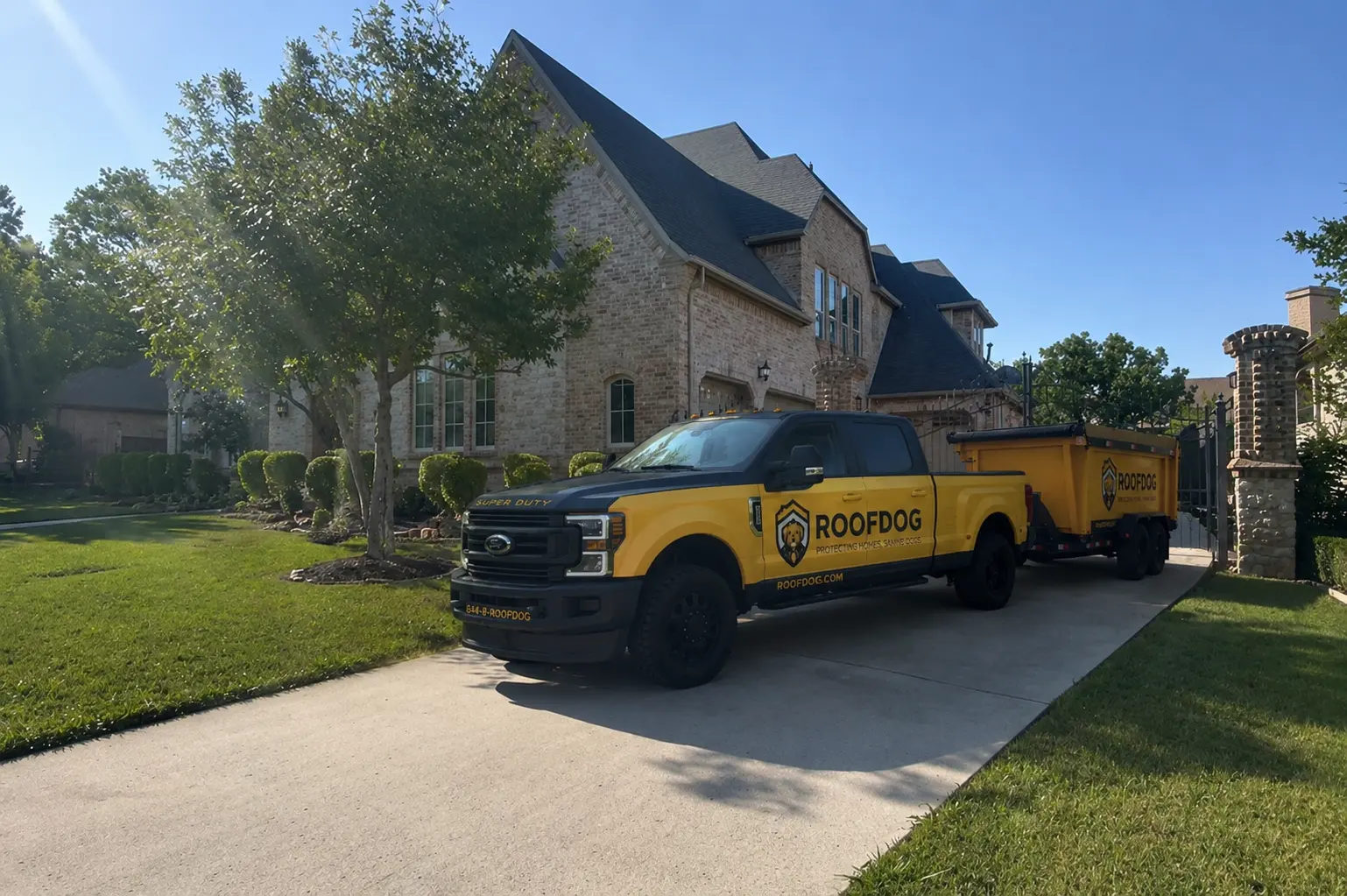
RoofDog is a company I respect because they combine solid workmanship with a cause. They donate ten percent of their profits to local dog rescues. That is not a gimmick. They have helped fund spay and neuter clinics, emergency vet care, and adoption events across North Texas. When you hire RoofDog for an owens corning shingle installation, you get a crew that knows the local climate and the local building codes. They also understand that a roof is a long-term investment. Their installers use the right fasteners, the right underlayment, and the right ventilation details. They do not cut corners because they know the roof has to hold up to Texas weather.
I have seen their work on several homes in the Dallas-Fort Worth area. The attention to detail is consistent. They take the time to hand-nail valleys and flashings where needed, and they use a nail gun for the field shingles to keep the line straight. They also clean up after themselves, which might sound minor, but it shows respect for the property.
Maintenance and Longevity
After the shingles are on, the job is not done. A good roofer will walk the roof a few months later to check for popped nails or lifted shingles. Owens Corning shingles have a good track record, but no roof is maintenance-free. I advise homeowners to inspect their roof after every big storm. Look for missing granules, curled edges, or any shingles that look loose. If you catch a problem early, a repair is straightforward. If you wait, water gets in and the damage spreads.
Dura Grip is another product I want to mention. It is a high-performance underlayment that Owens Corning makes. It has a granular surface that gives good traction during installation, which is a nice safety feature. I have used it on steep roofs and found it helps the crew move more confidently. It also adds a layer of protection against wind-driven rain.
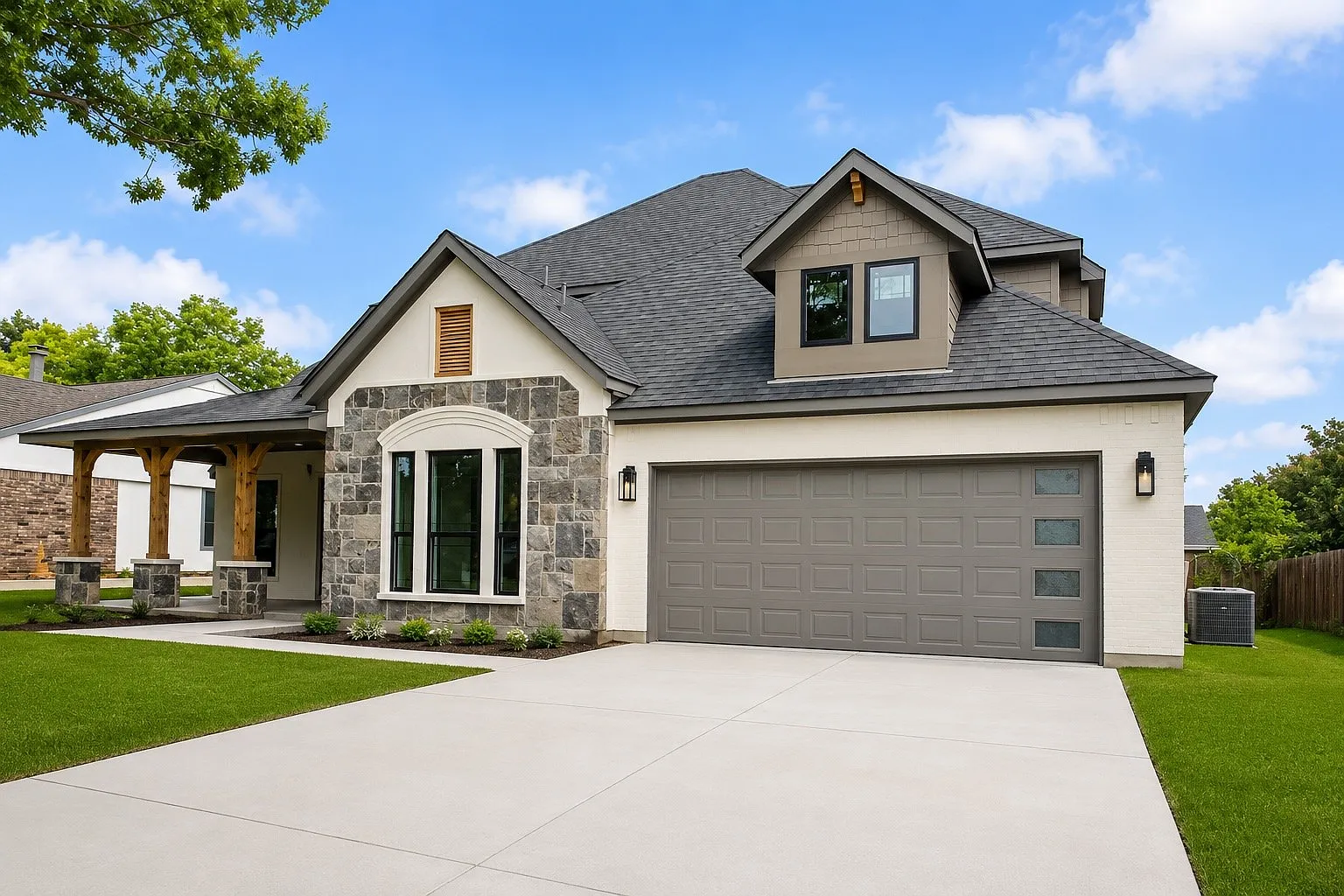
In North Texas, we see everything from scorching heat to hail the size of golf balls. A properly installed Owens Corning roof can handle both, provided the details are right. The shingles themselves are tough, but they rely on good workmanship underneath. That is why I always say the installation is more important than the brand. Even the best shingle will fail if it is nailed wrong or laid over a bad deck.
If you are planning a roof replacement or a new build, take the time to vet your contractor. Ask about their ventilation strategy, their underlayment choice, and their valley details. A good roofer will be happy to walk you through it. A bad one will rush you through the sales pitch. RoofDog is one of the good ones, and they prove it every day with the work they do and the rescues they support.
Owens Corning shingles, installed with care, give you a roof that lasts. Pair that with a contractor who takes pride in the details, and you have a combination that will protect your home for decades. That is the kind of roof that lets you sleep easy, even when the wind is howling and the rain is coming down sideways.